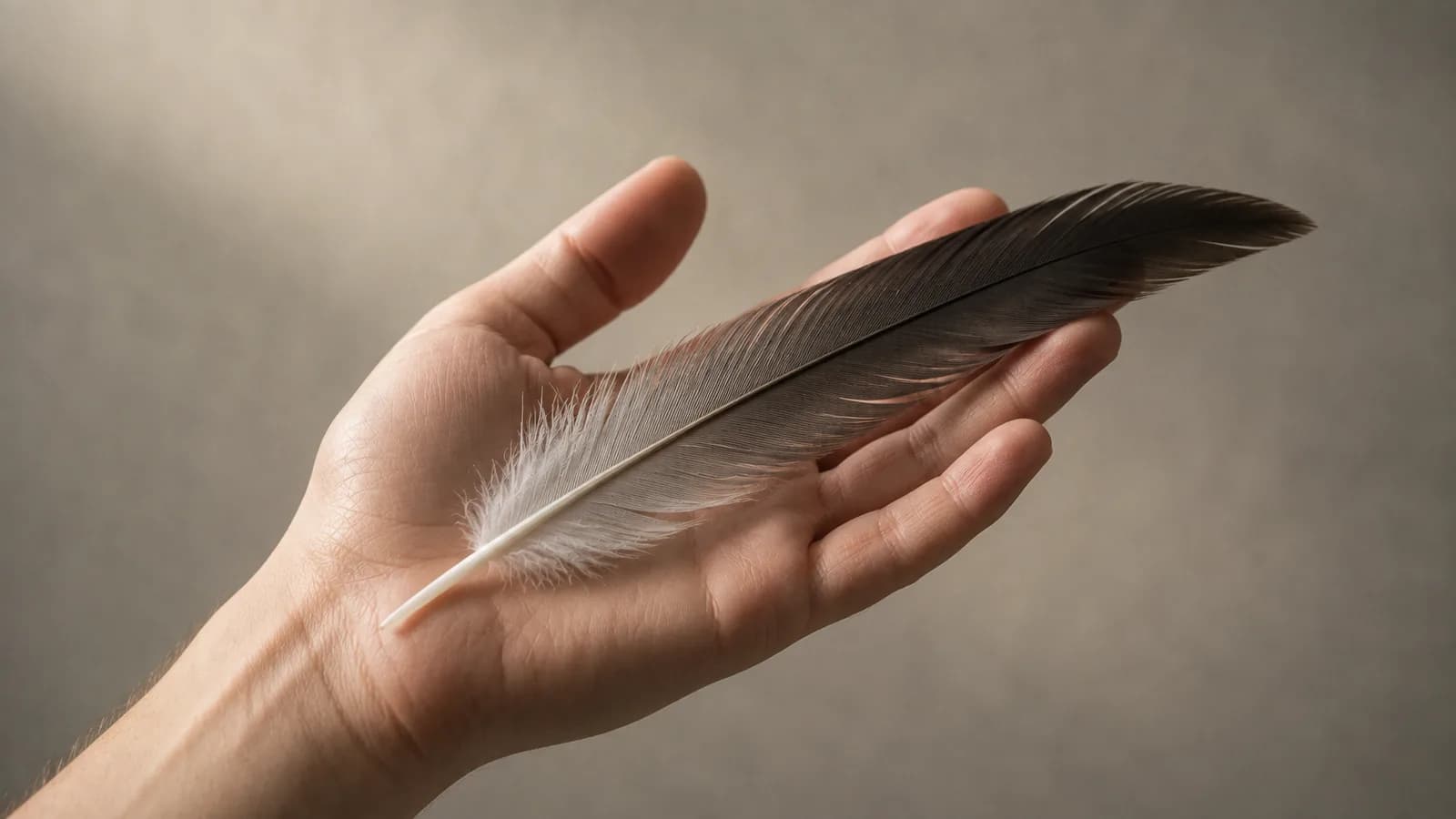
Why You Can’t Tickle Yourself
Your brain cancels your own touch before you feel it. That’s why self-tickling fails.
5 min read
The science of human quirks and everyday psychology
Involuntary signalling, mimicry and emotional regulation
Your face and body broadcast on a channel you do not fully control. Some of it is useful — a blush that cannot be faked, a smile that spreads before anyone chooses to be friendly. Some of it is badly misread, especially by the pop body-language advice that turned crossed arms into a personality diagnosis. This hub separates the two.
10 articles in this hub
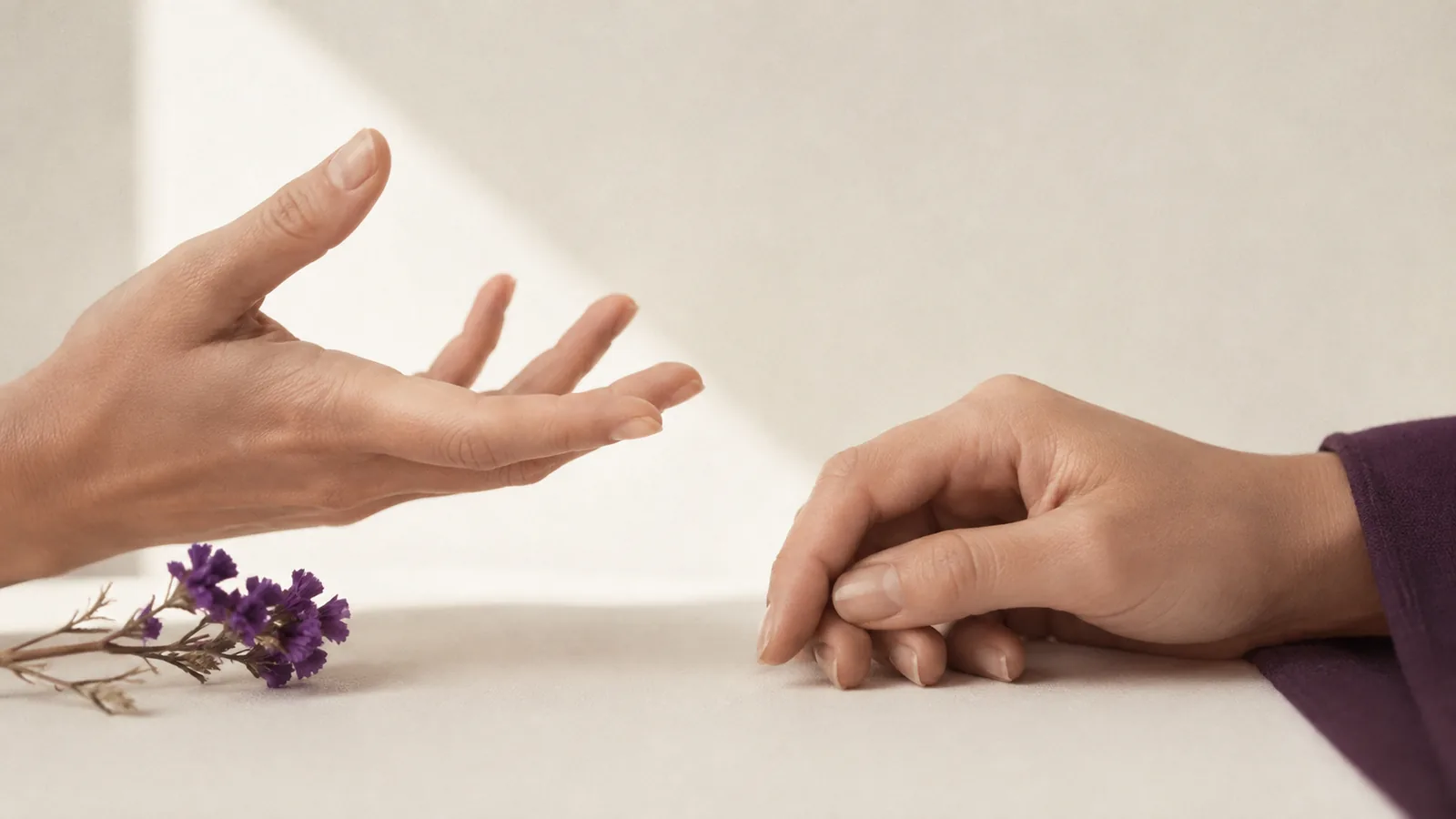

Laughing at a funeral isn’t heartlessness. It’s a pressure valve with terrible timing.
6 min read
Your brain cancels your own touch before you feel it. That’s why self-tickling fails.
5 min read
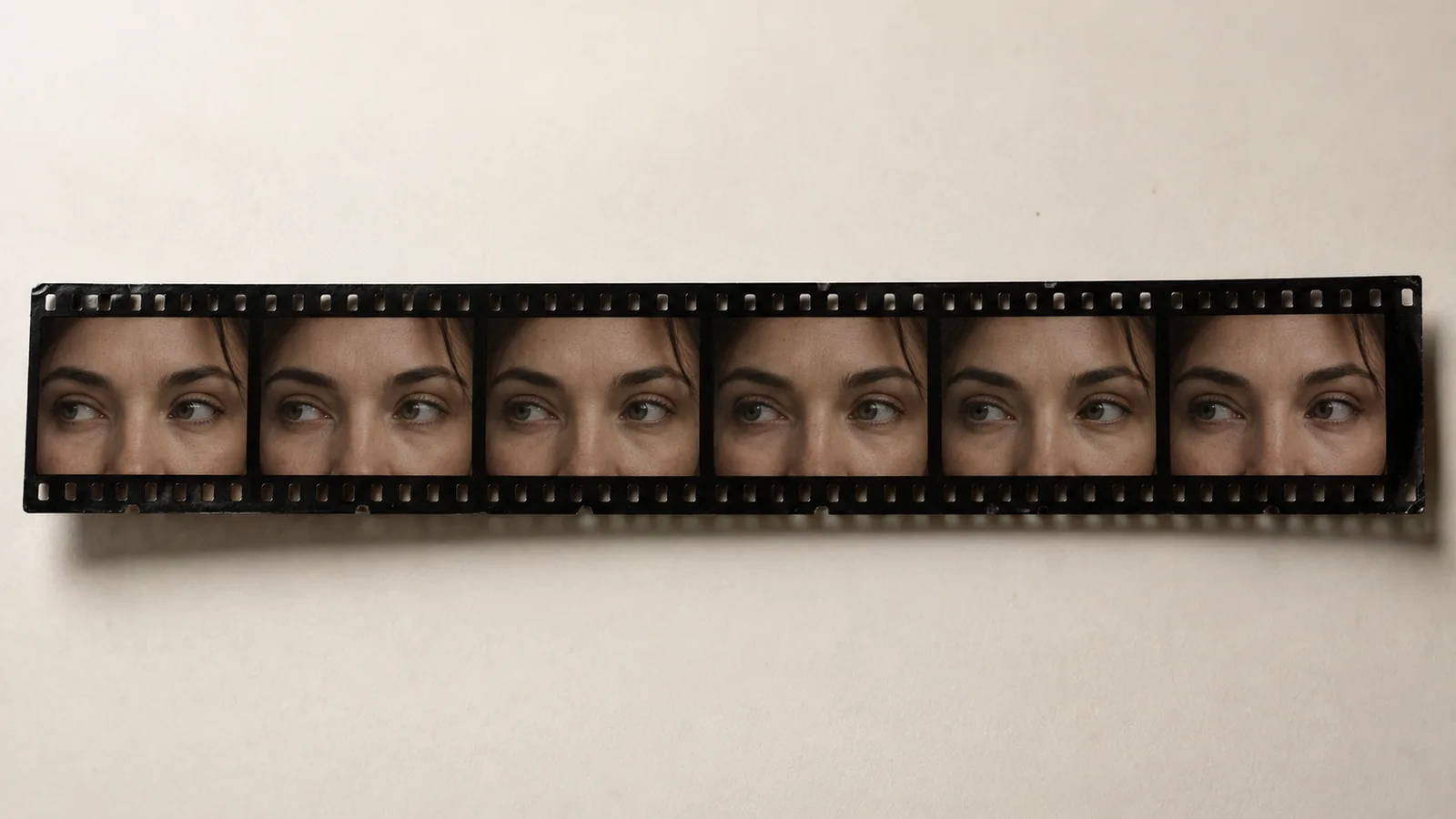
A real expression can cross your face in a twentieth of a second. Cameras catch it. People usually don’t.
7 min read
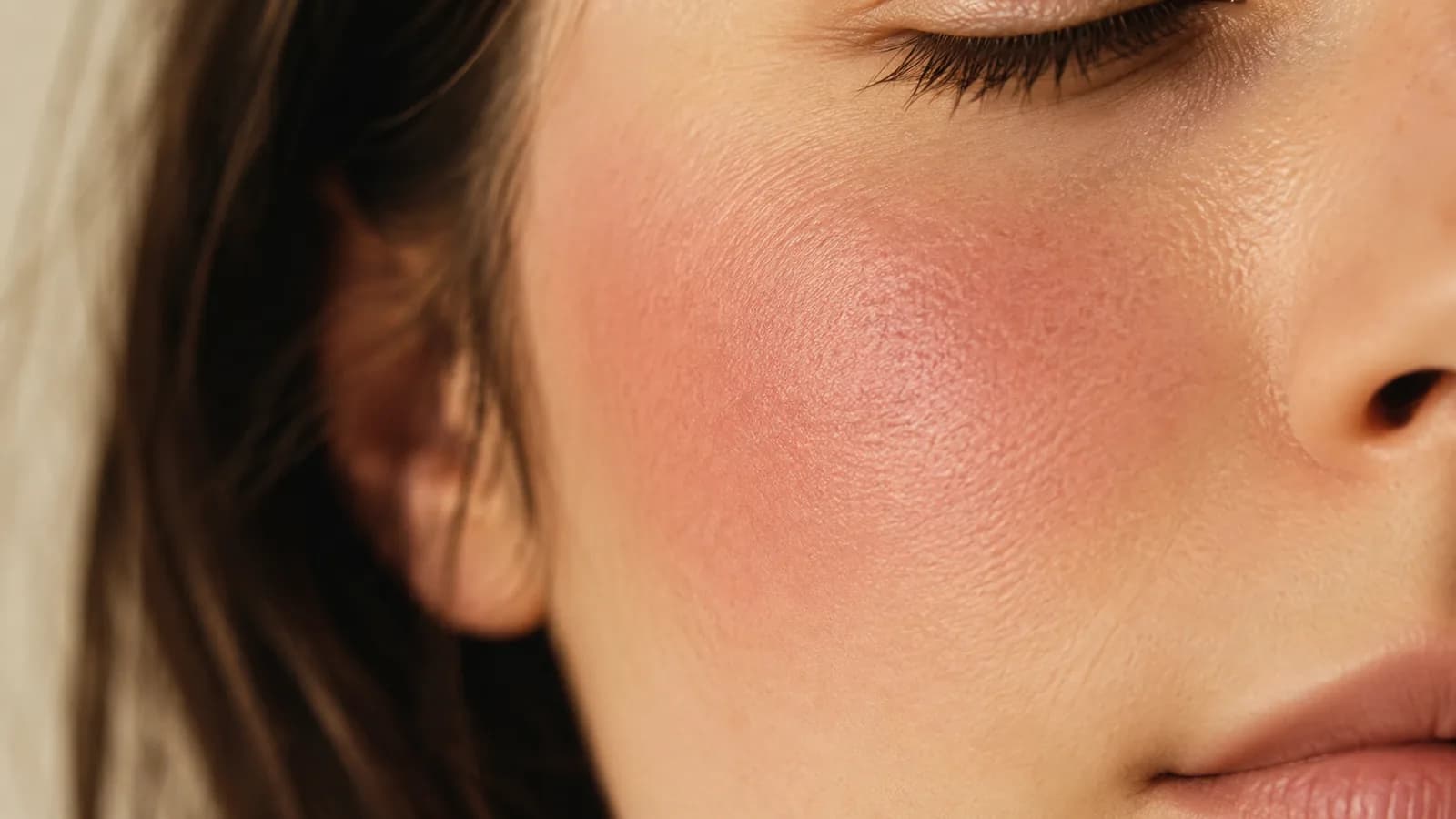
Blushing is the one signal you cannot fake or switch off. That’s exactly why it exists.
6 min read

Your face starts copying a stranger’s smile before you’ve decided to be friendly.
6 min read
Crying at good news isn’t a wiring fault. It may be your body levelling off.
6 min read
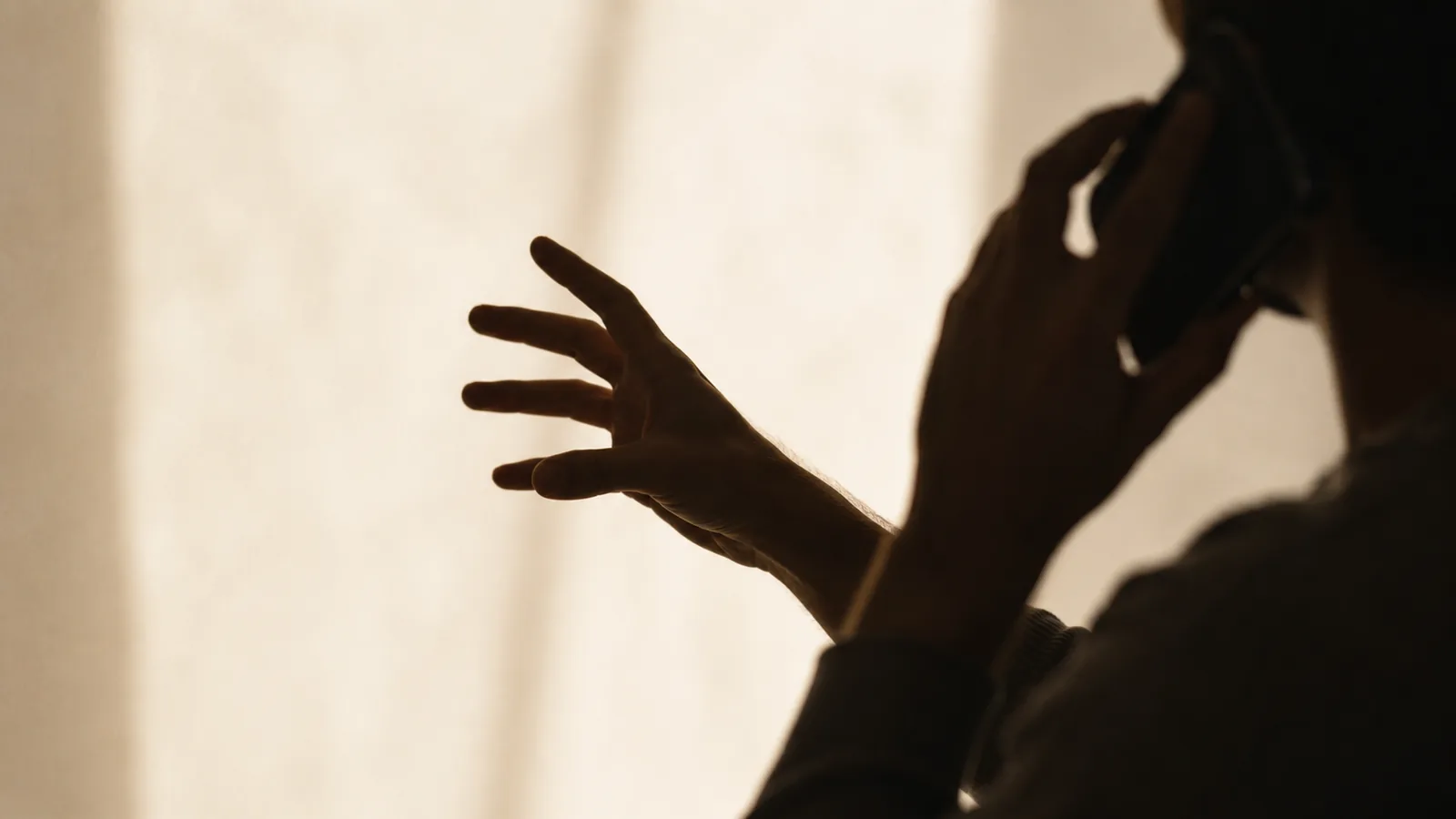
Nobody can see you. You’re still doing it. Gestures aren’t really for the listener.
5 min read

The most misread signal in body language. Most of the time, people are just cold.
7 min read

You lower your voice in the dark even when you’re completely alone. There’s a reason.
5 min read

Cross your legs. Wait forty-five seconds. Watch what the other person does.
6 min read
Why your brain fools you every single day
The strange half-hour between awake and asleep
When the sensible rule produces the ridiculous result
No. Single-cue reading is unreliable. Expressive behaviour has to be interpreted in clusters and in context, and most popular claims about individual gestures overstate the evidence.
Rapid facial mimicry happens automatically within roughly half a second of seeing an expression, and copying the expression feeds back into how you feel.
Partly. Several core expressions show broad cross-cultural consistency, while display rules — when it is acceptable to show them — vary a great deal.
This article is educational science trivia about everyday human biology and psychology. It is not medical advice, diagnosis, or treatment, and it is not a substitute for care from a qualified professional.