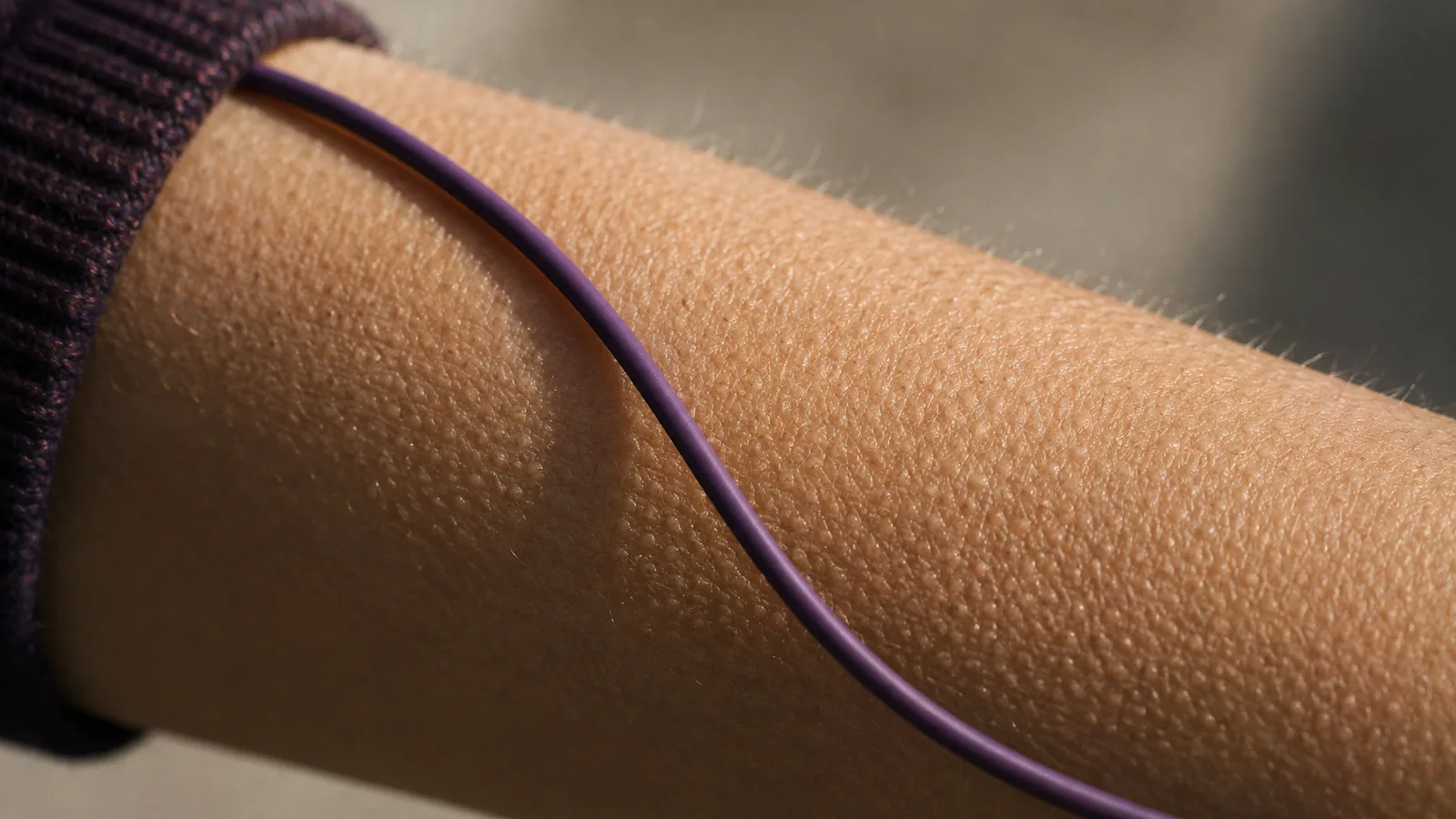
Frisson: Why Certain Songs Give You Goosebumps
Some people get chills from music. Some never have. The difference shows up in a brain scan.
7 min read
The science of human quirks and everyday psychology
Reflex arcs, receptor crosstalk and autonomic control
Some of your hardware runs without asking. Bright light triggers a sneeze in about a quarter of people. Chilli convinces a heat receptor that your mouth is burning. Wet fingers wrinkle on purpose, not by accident. These are the reflex arcs, misdirected signals and evolutionary leftovers behind everyday physical reactions.
15 articles in this hub

Roughly one in four people sneeze in sunlight. The other three have no idea what you mean.
6 min read
Some people get chills from music. Some never have. The difference shows up in a brain scan.
7 min read

Chilli doesn’t actually burn anything. It just convinces your nerves that it did.
5 min read
Hiccups may be a leftover from an ancestor that breathed through gills.
6 min read
The yawn squeezes your tear glands like a sponge. That’s the entire mystery.
4 min read
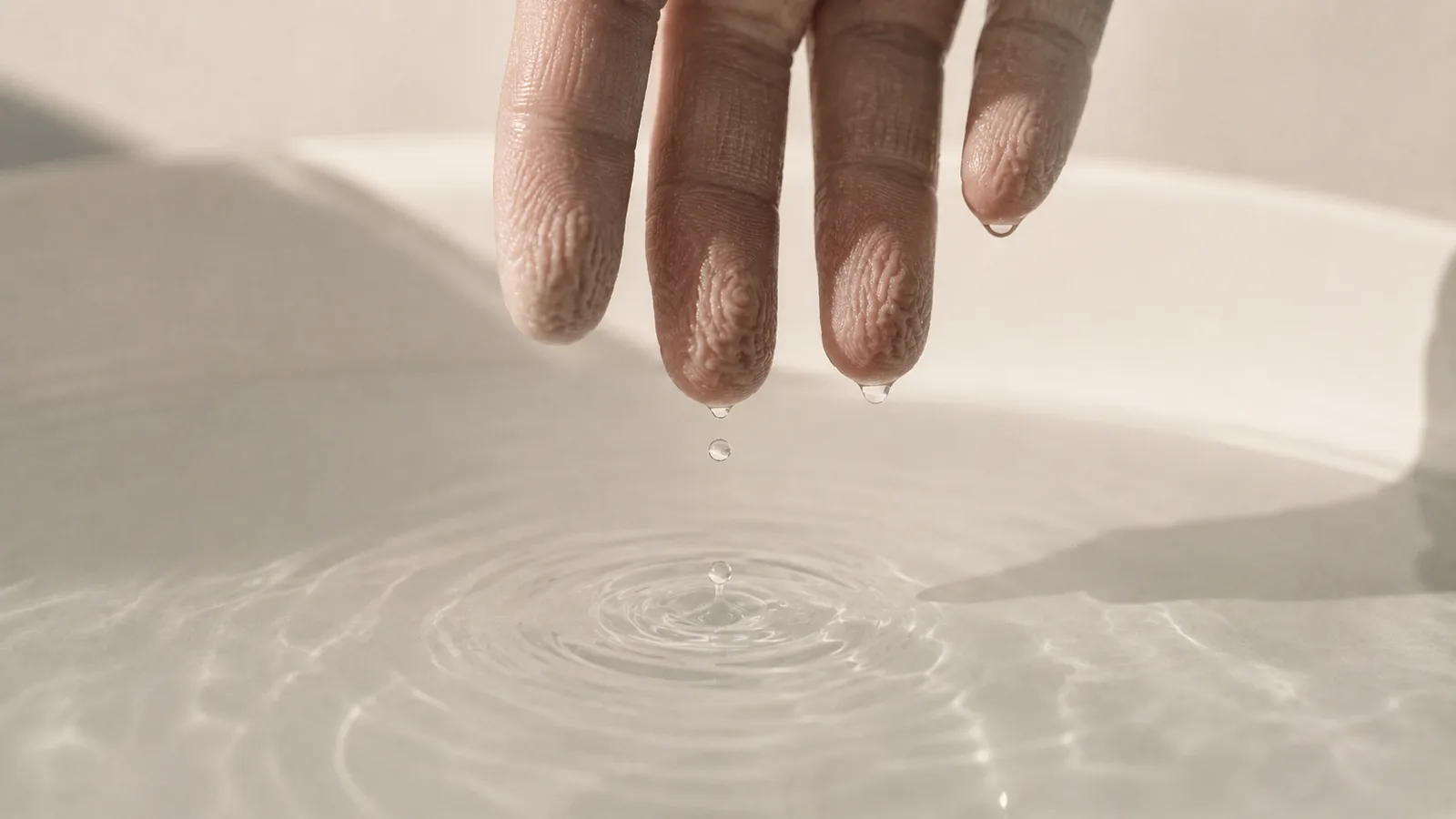
Pruney fingers aren’t skin soaking up water. Your nervous system does it on purpose.
6 min read

That growl isn’t your stomach asking for food. It’s housekeeping.
5 min read
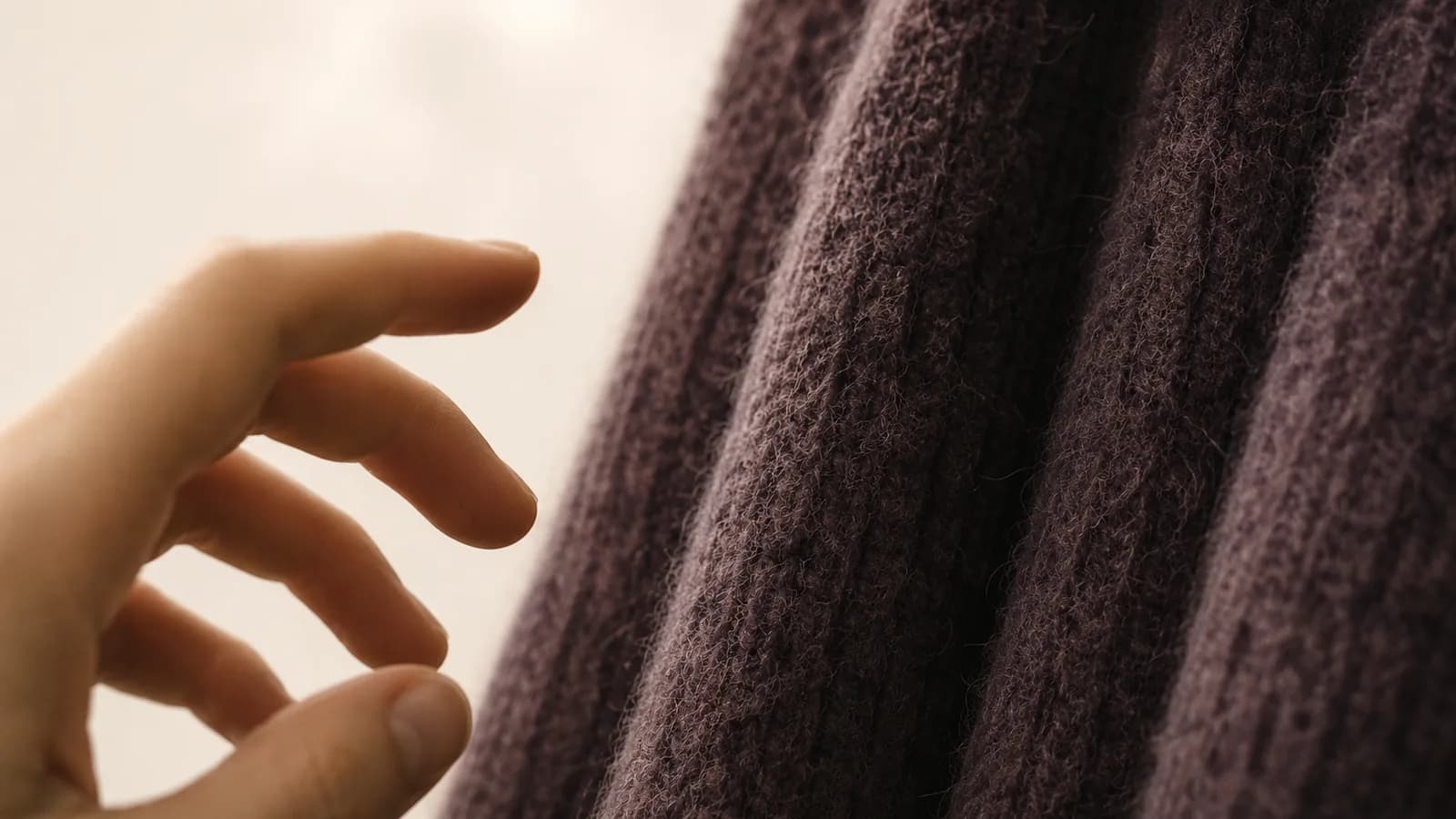
You’re going to scratch something in the next thirty seconds. Sorry.
5 min read
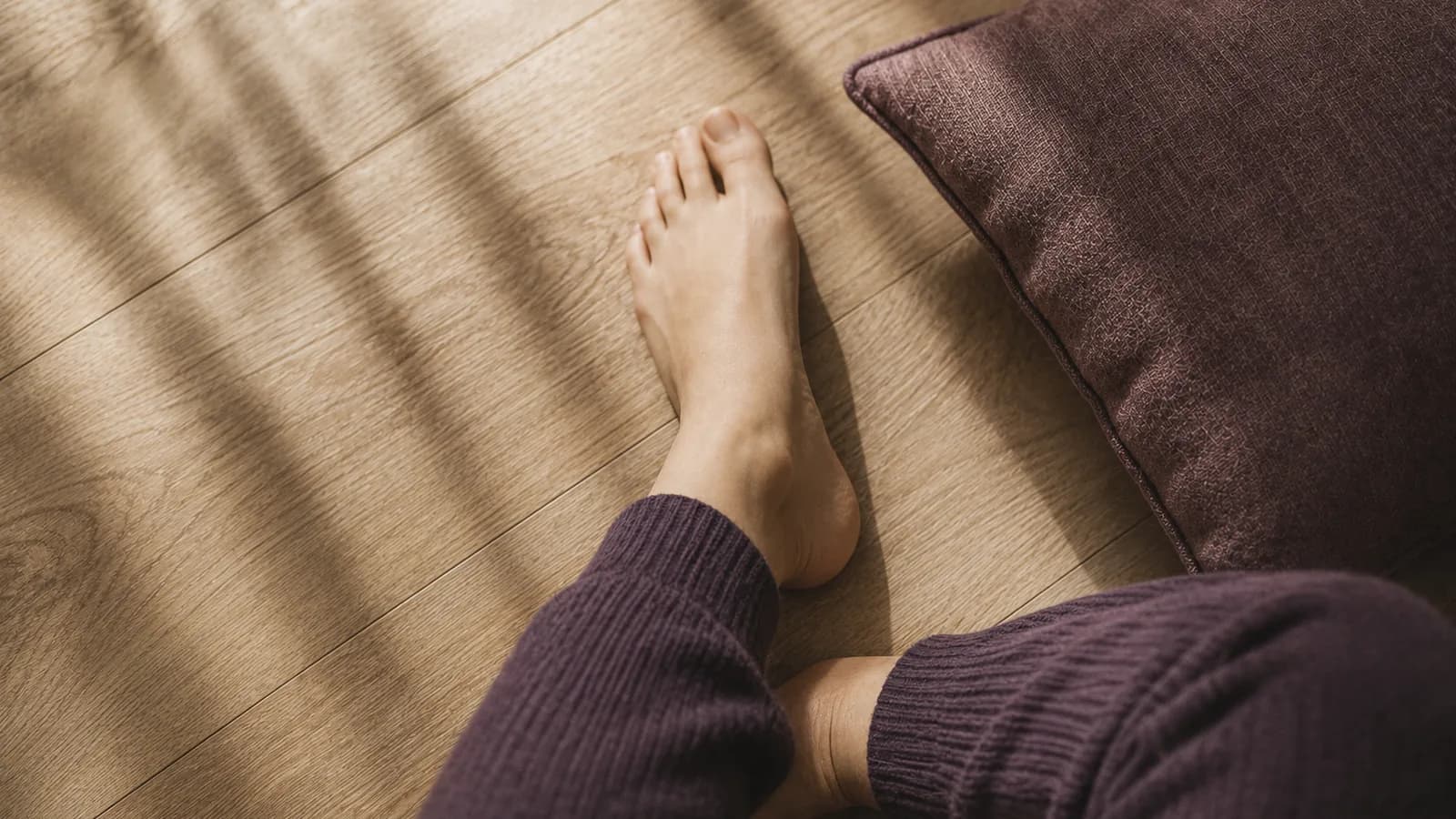
Your foot didn’t lose blood supply. Your nerves went offline and came back shouting.
6 min read

One hand, thirty-six thousand cracks, sixty years. No difference between them.
7 min read

Six muscles hold each eye in place. A sneeze is not in the same league.
6 min read

Cold water on your hand does almost nothing. The same water on your forehead slows your heart in seconds.
7 min read

The thermometer does not move. The nerve reports cold anyway.
6 min read

Going up is easy. Coming down is where the tube has to be forced open.
6 min read

The onion isn’t attacking your eyes. It’s defending itself, and you walked into it.
5 min read
Why your brain fools you every single day
The strange half-hour between awake and asleep
The signals you send before you decide to send them
Nerves share pathways. When a strong signal travels a route that also carries other information, the brain can attribute the sensation to the wrong location — the basis of referred pain.
Some clearly are. The photic sneeze reflex, for example, follows a familial pattern consistent with dominant inheritance.
Some have a plausible function, like wet-grip improvement from wrinkled fingers. Others look like leftovers with no current benefit. Good science writing keeps the two apart.
This article is educational science trivia about everyday human biology and psychology. It is not medical advice, diagnosis, or treatment, and it is not a substitute for care from a qualified professional.